Clamp Cranes for Hot & Cold Steel Billets | Buyer’s Guide
menu_open
Content Quick Link
Why Temperature Matters in Billet Handling
When handling steel billets, temperature isn't just a number—it affects how the steel behaves, how clamps grip it, and how the crane operates. The type of billet determines the material and design requirements of the clamp, the crane configuration, and even operational safety procedures.
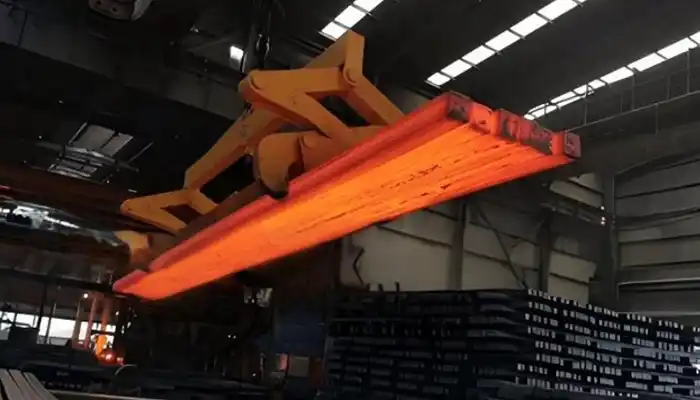
For instance, hot billets can exceed 900°C. At these temperatures, the steel's surface can oxidize, expand, and occasionally soften at the edges. Standard clamps may wear out quickly or fail under heat stress. On the other hand, cold billets, while easier on the crane mechanically, may have moisture, rust, or oil that causes slippage if clamps are not adjusted properly.
This guide is intended for:
- Steel mill managers who oversee material handling efficiency.
- Procurement engineers responsible for selecting the right crane and clamp solutions.
- Workshop operators or safety officers who need actionable, practical guidance for daily operations.
Hot vs. Cold Billets: Practical Differences
The physical properties of hot and cold billets is the first step in selecting the right clamp crane. Temperature affects both the steel and the handling process.
Temperature Ranges and Definitions
- Hot billets: Typically 900–1300°C, freshly cast or reheated. May have surface scale, oxidation, or softer edges requiring specialized clamp materials and careful handling.
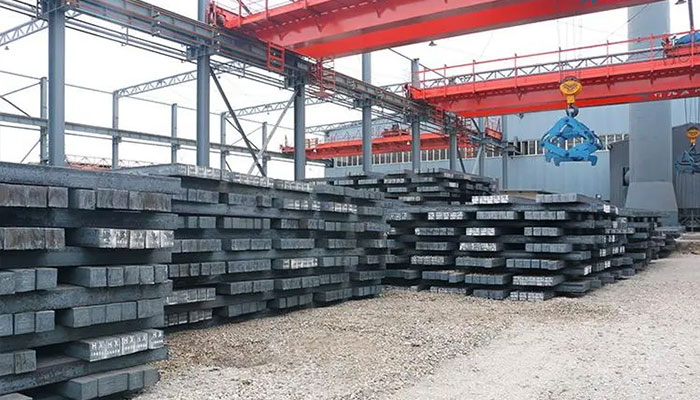
- Cold billets: Stored at ambient temperature, pre-cooled, may be wet, oily, or rusty. Do not stress the crane thermally but require attention to grip and friction.
Material Behavior Differences
- Hot billets: Slight thermal expansion affects clamp spacing and grip. Surfaces often carry scale or oxidation, reducing friction and wearing down standard clamp jaws. Use clamps made from high-grade, heat-resistant steel for safe lifts.
- Cold billets: Minimal thermal expansion allows standard jaw spacing. Moisture, oil, or rust can reduce grip, so clamps may require friction-enhancing coatings or jaw adjustments.
Practical advice: Always inspect the billet surface and confirm its temperature before lifting to prevent accidents and unnecessary wear on clamps.
Handling Implications
Hot Billets: Require careful handling due to extreme heat, affecting both clamp and crane components.
- Use heat-resistant jaw materials that withstand high temperatures.
- Consider thermal shields to protect crane components.
- Adjust lifting speed and duty cycles to prevent overheating and wear.
- Perform frequent inspections for heat-induced wear, deformation, or performance issues.
- Train operators in hot billet safety protocols, including protective gear and safe distances.
Cold Billets: Less stressful on cranes but still require safe handling for grip and environmental factors.
- Standard mechanical or hydraulic clamps usually suffice.
- Ensure clamps can handle moisture, rust, or slippery surfaces.
- Maintain a regular inspection schedule for mechanical wear or hydraulic leaks.
- Account for environmental hazards like ice, condensation, or slippery floors affecting crane stability.
Additional Buyer Considerations:
- Load capacity: Hot billets may require higher safety margins due to thermal expansion or surface behavior.
- Operator safety: Hot billets need heat shields, alarms, and protective equipment; cold billets require slip-prevention measures.
- Environmental factors: Ensure proper ventilation for hot billets and dry storage for cold billets.
Key Crane and Clamp Considerations for Hot Billets
Handling hot billets is more demanding than working with cold steel. The high temperatures can accelerate wear, affect crane performance, and create safety risks if not properly managed. Buyers need to focus on material selection, operational limits, ergonomics, and maintenance.
Heat-Resistant Materials and Coatings
- Clamp jaws: Opt for high-temperature steel alloys or materials specifically designed to resist thermal softening and scaling, ensuring a secure grip without deformation or premature wear.
- Crane components: Consider thermal shields or insulation for trolley parts, hoists, and structural components exposed to radiant heat to protect both the crane and operators.
Practical tip: Always check the manufacturer's thermal rating for both the clamp and crane. Using a clamp rated below expected billet temperature is a common cause of early failure.
Operational Limits
- Maximum temperature ratings: Verify clamp and crane ratings for expected billet temperatures. Exceeding limits can damage components and compromise safety.
- Duty cycle adjustments: Frequent lifting of extremely hot billets can overheat mechanical parts. Slowing lifting cycles or introducing cooling periods prevents overheating and extends clamp life.
Practical advice: Consult suppliers about duty cycle recommendations and incorporate operational limits into plant procedures.
Safety and Ergonomics
- Operator visibility: Use infrared cameras or heat-protective covers to monitor hot billets safely, reducing errors caused by heat haze.
- Safety barriers and warning systems: Install physical barriers, warning lights, and audible alarms around hot billet zones to prevent accidental exposure.
Practical tip: Ergonomics improve operator safety and reduce mistakes caused by heat stress or limited visibility.
Maintenance Needs
- Frequent inspections: Check for heat-induced wear on clamp jaws, pivot points, and linkages. Look for warping, discoloration, or surface cracking.
- High-temperature lubrication: Use lubricants rated for extreme heat to prevent seizure and maintain smooth crane movement.
Practical advice: Document inspection intervals and keep records of component replacement. Preventive maintenance reduces downtime, safety risks, and extends crane service life.
Key Crane and Clamp Considerations for Cold Billets
Cold billets may seem easier to handle than hot steel, but they have unique challenges. Surface moisture, rust, or oil can affect clamp grip, while environmental factors like condensation or icy floors may impact crane operation. Buyers need to focus on clamp grip, energy efficiency, and maintenance practices for safe, reliable handling.
billets and slabs handling overhead cranes
Grip Design
- Friction-optimized clamps: Choose clamps with jaws or pads that maximize friction on steel surfaces, especially for wet, rusty, or oily billets.
- Surface protection: For coated or oily billets, select clamps with protective or non-marking jaw surfaces to maintain a secure grip without damaging steel.
Practical tip: Test clamps on sample billets under expected storage and environmental conditions to ensure consistent grip and prevent slips or dropped loads.
Energy Efficiency
- Standard mechanical or hydraulic clamps are generally sufficient for lifting cold billets, providing reliable performance without specialized heat-resistant materials.
- Energy-efficient cranes and clamps can reduce operational costs, especially in high-volume handling facilities.
Practical advice: Consider the trade-off between upfront cost and long-term energy savings when selecting clamps and cranes.
Maintenance Needs
- Routine inspections: Check for wear on mechanical joints, hydraulic hoses, and clamp jaws. Even minor wear can affect grip reliability over time.
- Less frequent replacement: Components typically last longer than hot billet clamps, but regular checks and timely lubrication remain essential.
Practical tip: Maintain a simple maintenance log for clamps, noting adjustments or replacements to prevent overlooked issues and extend crane service life.
Load and Capacity Adjustments
When handling steel billets, temperature and surface conditions affect effective load and crane requirements. Buyers must consider moisture, thermal expansion, bundling, and friction to ensure safe operation and avoid equipment damage.
Temperature and Weight Perception
- Hot billets: Slight weight reduction due to surface moisture evaporation and scaling.
- Cold billets: Weight may appear higher due to retained moisture, rust, or coatings.
Practical tip: Measure or estimate the weight of billets under actual working conditions. Avoid relying solely on nominal dimensions to ensure clamp and crane capacities are accurate.
Adjusting Crane Lifting Capacity and Safety Margins
- Apply a 20–30% safety margin for hot billets to account for thermal effects and surface condition variability.
- For cold billets, consider friction and potential slippage when determining safe lifting limits.
- Always consult crane suppliers on recommended safety margins for both hot and cold operations.
Practical advice: Proper safety margins prevent mechanical stress, clamp failure, and reduce safety risks during operations.
Number of Billets per Lift and Maximum Bundle Weights
- Hot billets: Limit the number per lift to avoid overheating clamps and maintain operator visibility. Ensure clamps and crane spans are rated for bundle weight plus safety margin.
- Cold billets: Larger bundles can often be lifted safely, but verify clamps grip securely and crane stability is maintained.
Practical tip: Confirm maximum bundle weight with the crane manufacturer, accounting for billet size variations, surface moisture, and friction. This prevents downtime and accidents.
Environmental and Facility Factors
The environment in which billets are handled directly affects crane performance, safety, and equipment lifespan. Hot and cold billets present unique challenges that buyers should address when planning crane installation and operation.
Hot Billets
- Ventilation and heat dissipation: Ensure sufficient airflow along the crane path to prevent heat accumulation. Forced ventilation or fans may be needed in enclosed workshops or mills.
- Floor protection and fire safety: Floors along hot billet paths should be heat-resistant and non-combustible. Fire extinguishers, sprinklers, or thermal alarms near crane routes enhance workplace safety.
Practical tip: Inspect facility layout and consider retrofitting heat shields, barriers, or fireproof mats where hot billets are lifted or stored frequently.
Cold Billets
- Wet or oily floors: Moisture from cleaning, storage, or rain can create slippery surfaces, affecting crane stability and clamp grip. Non-slip coatings or improved drainage help maintain safe operations.
- Winter operation considerations: Ice, frost, or condensation on crane rails or floors can reduce traction, increase wheel wear, and cause uneven movement. Seasonal inspections and winter-specific maintenance are recommended.
Practical tip: Implement a seasonal inspection and cleaning schedule for year-round facilities to manage wet or icy conditions and ensure reliable crane operation.
Cost Implications for Buyers
When selecting a clamp crane for hot or cold billets, cost is not just about purchase price. Buyers should consider material selection, operational requirements, maintenance schedules, and long-term efficiency to make a well-informed investment.
Upfront Investment
- Heat-resistant clamps and cranes: Required for hot billet handling, including high-temperature steel alloys, thermal shields, and protective coatings. Increases upfront cost but essential for safety and durability.
- Standard clamps for cold billets: Mechanical or hydraulic clamps without specialized heat-resistant materials reduce initial investment.
Practical tip: Invest in heat-resistant components for hot billets to avoid frequent repairs or early replacement—long-term savings outweigh upfront cost.
Maintenance and Operational Costs
- Hot billets: Thermal stress increases wear, requiring more frequent inspections, lubrication, and part replacement. Operational costs are higher but safety and reliability improve.
- Cold billets: Routine maintenance for mechanical and hydraulic systems is simpler and less costly, though neglect still risks downtime or clamp failure.
Practical tip: Include maintenance frequency and spare part availability when calculating total operational costs over the crane's lifespan.
Long-Term ROI Considerations
- Evaluate production volume and temperature handling requirements when estimating ROI.
- Consider potential downtime, safety incidents, and lost production due to inadequate clamps or crane failure.
Practical tip: Focus on upfront cost, maintenance, and operational efficiency together to assess real long-term ROI rather than only the purchase price.
Buyer Checklist: Selecting the Right Clamp Crane
Selecting the right clamp crane involves more than lifting capacity. Buyers should evaluate temperature requirements, material durability, operational needs, and environmental conditions to ensure safe, efficient, and long-lasting performance.
Temperature Handling Capacity
- Verify the maximum operating temperature the clamp can handle.
- Ensure the crane structure and hoists are rated for the same temperature range.
Practical tip: Confirm whether clamps include thermal shields, high-temperature alloys, or special coatings for hot billet handling.
Clamp Material and Jaw Design
- Jaw material: Use high-grade alloys for hot billets; standard steel may suffice for cold billets.
- Jaw design: Ensure jaws are optimized for friction, non-slip grip, and protection of the billet surface, especially for oily or coated billets.
Practical tip: Look for replaceable or adjustable jaw pads to allow flexibility across different billet sizes and surface conditions.
Crane Load Rating and Span Requirements
- Confirm the crane's rated load includes safety margins for unexpected weight variations.
- Ensure the span and runway configuration cover all intended handling areas without compromising stability.
Practical tip: For hot billets, consider slightly reduced bundle sizes to maintain safety and operator visibility.
Maintenance Schedule and Ease of Inspection
- Check how easy it is to inspect the clamp and mechanical components.
- Review the recommended maintenance schedule, including lubrication, part replacement, and checks for wear or heat-induced damage.
Practical tip: Choose cranes that allow quick access to clamps and hoists to minimize production interruption during maintenance.
Safety Features for Operators
- Look for infrared cameras, protective shields, and alarms in hot billet applications.
- Ensure emergency stop systems and warning indicators are included for both hot and cold billet operations.
Practical tip: Train operators on crane safety features and verify that all safety devices are functional before each shift.
Environmental Compatibility
- Verify whether the crane is rated for outdoor use, including weatherproofing and corrosion protection.
- Ensure rails and structural components can withstand environmental conditions without compromising performance.
Practical tip: Factor in ventilation, drainage, and temperature control for both hot and cold billet operations to maintain crane efficiency and safety.
Conclusion
Handling hot and cold steel billets is not the same, and the differences have a direct impact on crane selection, safety, and operational efficiency. Hot billets demand clamps made from heat-resistant materials, thermal protection for crane components, and strict attention to operator safety and maintenance schedules. Cold billets, while easier on equipment, require attention to grip, surface conditions, and environmental factors such as moisture or slippery floors.
Specifying clamp cranes based on the temperature and characteristics of the billets is essential. Using the wrong type of clamp or crane can lead to accidents, equipment damage, and costly downtime. Buyers should carefully consider factors such as load capacity, clamp jaw design, safety features, maintenance ease, and facility conditions when making a selection.
Finally, it's highly recommended that buyers consult experienced crane suppliers to design or tailor a solution that fits their specific needs. Suppliers can provide guidance on material selection, clamp design, operational limits, and long-term maintenance strategies to ensure safe, efficient, and reliable billet handling in steel mills or workshops.
Practical takeaway: A carefully chosen clamp crane not only improves safety and efficiency but also protects your investment and supports consistent production performance.

Article by Bella ,who has been in the hoist and crane field since 2016. Bella provides overhead crane & gantry crane consultation services for clients who need a customized overhead travelling crane solution.Contact her to get free consultation.